Coral Specialist Program
Learn All About Our 4-Week Hands-On Program in Coral Research and Restoration
Next May 2026, we’re organizing something really exciting! You might not know this, but our passion isn’t just sharks—we’re also deeply dedicated to teaching people how to restore damaged reefs and studying which corals are the most resilient and which restoration methods are the most effective in our area.
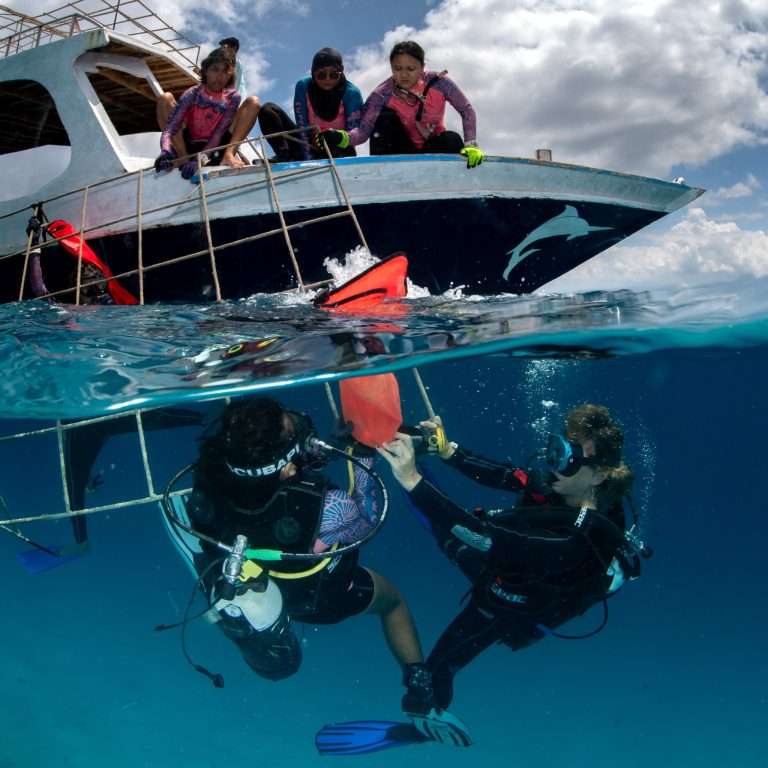
Our 4-week Coral Restoration Program is focused on restoring coral reefs in the Gili Matra Marine Park. This special program, hosted by Gili Shark Conservation in collaboration with Coral Catch, CORDAP, and Coral Gardeners, offers a truly immersive experience in coral restoration.
You’ll have hands-on opportunities to restore marine ecosystems, learn from field experts, and receive certifications from PADI as a Scientific Diver and from Conservation Diver in ‘Coral Restoration Theory and Techniques.’
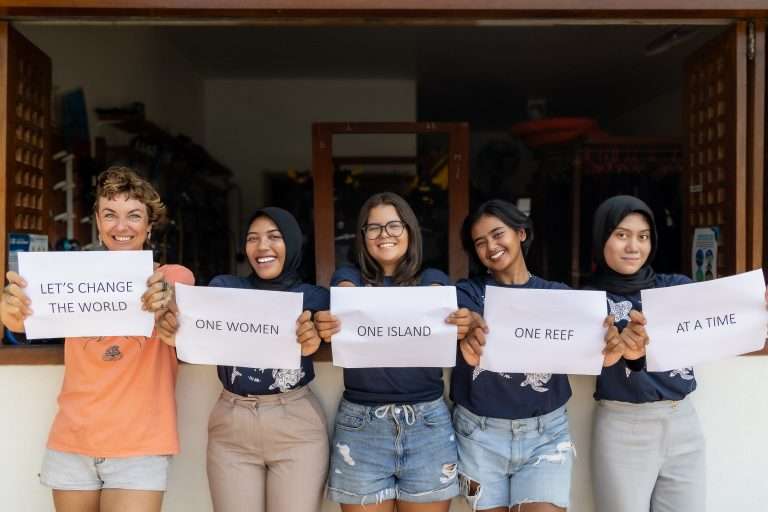
Gili Shark Conservation is thrilled to partner with Coral Catch for Coral Research and Restoration Month. This collaboration brings together the Coral Catch Superwomen—graduates of NGO Gili Matra Bersama’s award-winning scholarship program empowering Indonesian women in marine conservation. Join us in working, diving, and restoring reefs alongside these inspiring women as we advance coral restoration efforts.
Gili Shark Conservation has partnered with the Future Reefs to test their innovative coral supplement, CoraBoost. This project, led by Dr. Emma Camp through the Coral Research and Development Accelerator Platform (CORDAP), aims to enhance coral resilience to thermal stress. By participating, you’ll play a vital role in assessing CoraBoost’s effectiveness on our reefs, contributing to global efforts to strengthen coral health.
Coral Gardeners are revolutionizing coral restoration with advanced AI platform ReefOS technology. This system allows us to monitor coral growth and resilience in real time, replacing outdated methods with streamlined underwater data collection using iPhones. By tracking bleaching events and recovery rates with precision, we’re enhancing restoration strategies and pushing the boundaries of marine conservation. J
Program Dates and Details
Program Dates:
3 – 28 May 2026 (Coral Restoration)
11 October – 5 November 2026 (Coral Spawning)
Price: $3,449 USD (includes all courses, dives, fieldtrips, masterclasses and materials)
Limited Spots: Only 12 spots available!
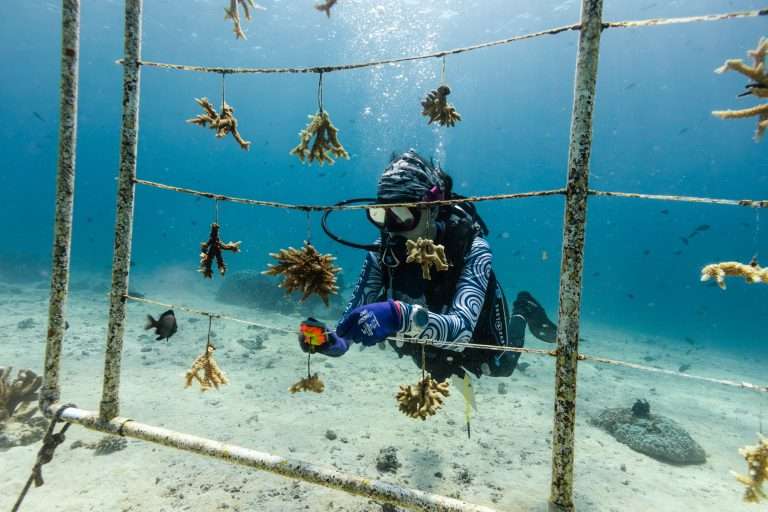
What to Expect from our coral research and restoration program
our previous experts from the field
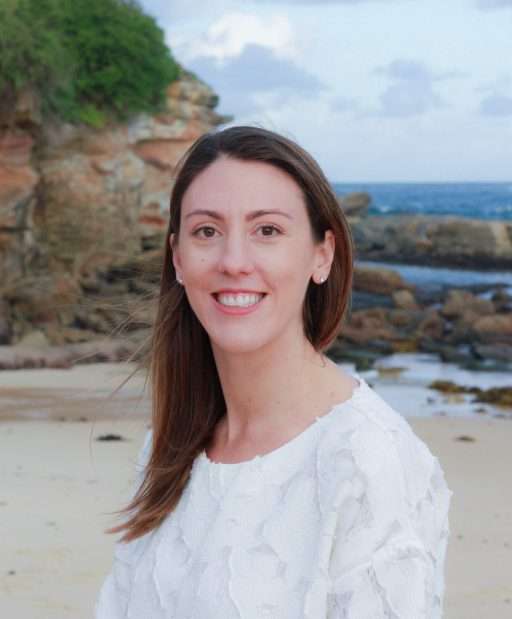
Unlocking Heat-Resilience Secrets
Team Leader @ Future Reefs Program

Co Founder & Reef Designer @ Reefy
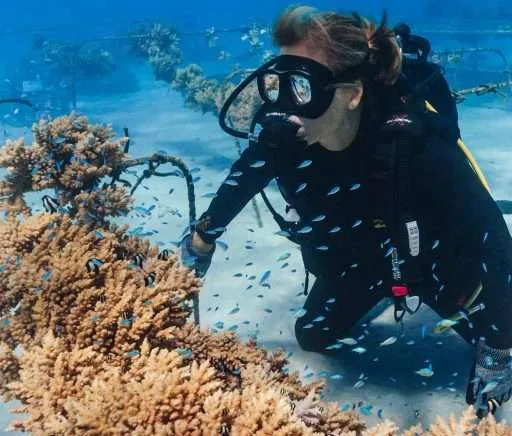
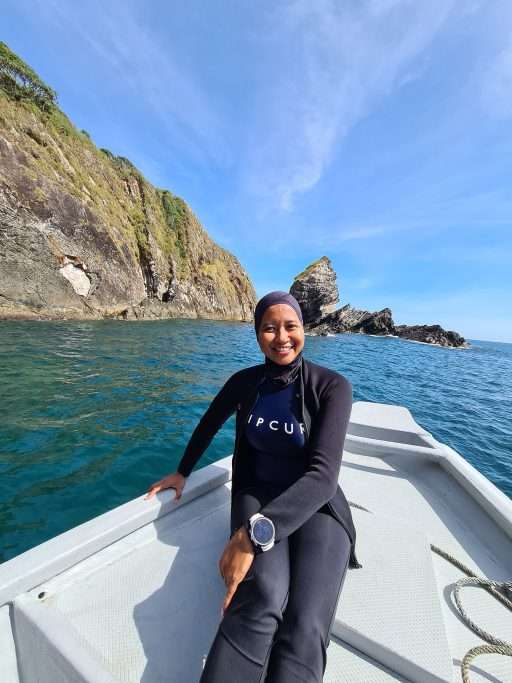
Senior Lecturer @ Terengannu University Malaysia
Our exclusive Coral Research & Restoration Program is offered only once a year, with limited spots available to ensure personalized attention in small groups. To apply, you must have a minimum of 15 dives, proficiency in English, a love for the ocean, and comfort in the water. You should also be reasonably fit to manage tropical heat and lift dive tanks. Most importantly, we seek a compelling reason why you should be selected.
This program begins with the PADI Scientific Diver Course and includes comprehensive training, along with the opportunity to attend online masterclasses with field experts. You’ll gain hands-on experience in our specialized restoration methods and learn how to create and deploy your own structures. Additionally, we will include the PADI Peak Performance Buoyancy Adventure Dive. If you haven’t been diving for six months or longer, we strongly recommend doing a Refresher Course before the program starts.
Upon completing your training, you’ll have the unique opportunity to work closely with the research team and the Coral Catch Superwomen from NGO Gili Matra Bersama.
Ready to dive into this transformative experience and make a real impact? Secure your spot in our Coral Restoration & Research Program today and take the first step toward becoming a leading expert in coral restoration.
| Certifications | PADI Scientific Diver Course | PADI Peak Performance Buoyancy | Conservation Diver ‘Coral Restoration Theory and Techniques’ | |||
|---|---|---|---|---|---|---|
| Research & Diving | 8 research dives a week + 1 coral spawning night dive | 35 project hours per week | 4 Masterclasses from experts in the field | Build and deploy artificial coral structure and attach coral fragments | Scientific Logbo0k & Journal | Entry to the marine park |
| Living | In country transport | Shared accommodation @ HQ | Breakfast on project days | Free use of our kitchen @ HQ | ||
| Extras | Gili Shark T-shirt | Gili Shark Rashguard | Gili Shark Tote bag | 10% discount on SPA treatments | Free dive gear rental | |
| Price for 4 weeks: $ 3,449 USD |
| Certifications | Research & Diving | Living | Extras |
|---|---|---|---|
| PADI Scientific Diver Course | 8 research dives a week | In country transport | Gili Shark T-shirt |
| PADI Peak Performance Buoyancy | 35 project hours per week | Shared accommodation @ HQ | Gili Shark Tote bag |
| Conservation Diver ‘Coral Restoration Theory and Techniques’ | 4 Masterclasses from experts in the field | Breakfast on project days | Gili Shark Rashguard |
| Build and deploy your artificial coral structure and attach coral fragments | Free use of our kitchen @ HQ | 10% discount on SPA treatments | |
| Entry to the marine park | Free dive gear rental | ||
| Scientific Logbook & Journal | |||
| Price for 4 weeks | $ 3,449 USD | ||
collaborate with the Coral Catch Superwomen
Learn all about our coral research & restoration project
To identify and evaluate the most effective coral restoration techniques at Gili Matra Marine Reserve, Indonesia, by assessing coral growth and resilience, comparing survival and growth rates across different coral genera, and analyzing the impact of environmental factors and restoration efforts on reef health and biodiversity.
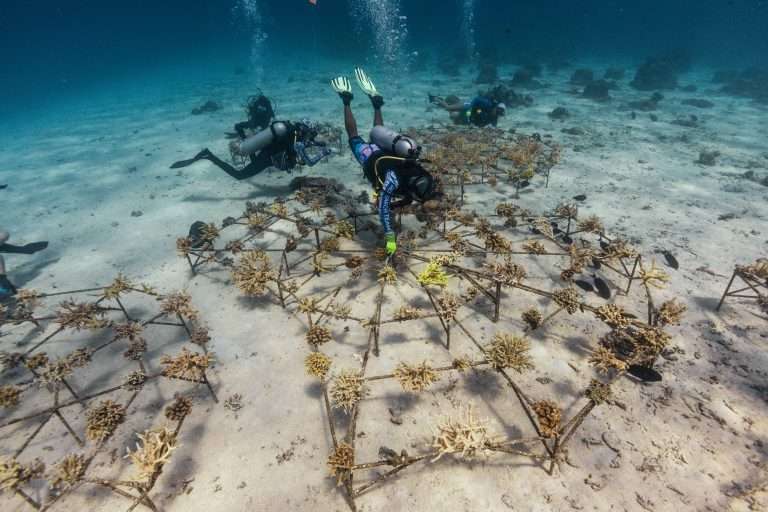
- How do different types of coral nurseries (like ropes, trees or hex domes) affect the growth and survival of coral fragments?
- How do environmental factors (such as water temperature, currents, and depth) impact coral growth and survival, and how can we use this information to improve restoration methods?
- Which types of coral grow the fastest with different restoration techniques?
- Which types of coral have the highest survival rates in the rehabilitation areas of the Gili Matra Marine Reserve?
- How does regular maintenance of artificial structures help coral grow and survive compared to structures that are not maintained?
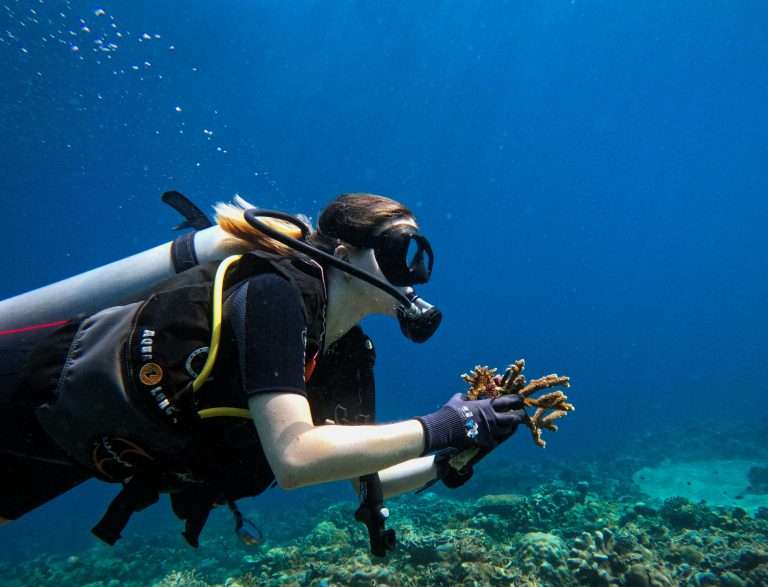
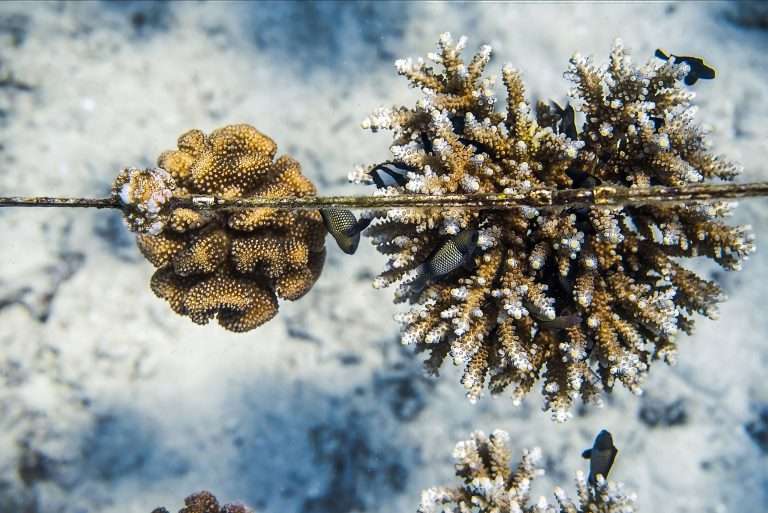
Our Coral Research & Restoration Methods
🪸 ImageJ Analysis
Learn to use advanced image analysis tools to measure coral growth, track health, and monitor restoration progress with scientific precision.
🪸 Coral Health Index (CHI) Surveys
Become an expert in assessing coral health by measuring bleaching levels, identifying diseases, and observing biodiversity within reef ecosystems.
🪸 Coral Restoration Techniques
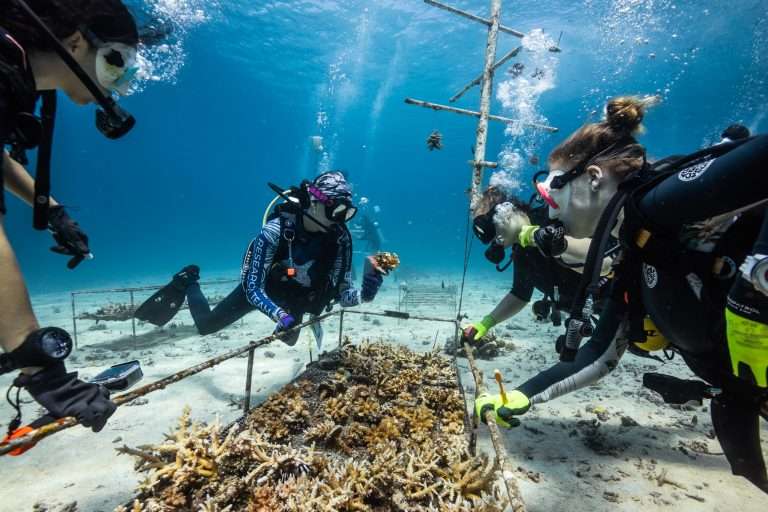
Get hands-on experience with techniques like coral fragmenting and transplantation, directly helping to rehabilitate damaged reefs and boost biodiversity.
🪸 Photogrammetry
Discover how to create 2D maps and 3D models of coral structures by taking overlapping photographs and merging them into detailed images. Use this technique to track the growth and survival rates of coral restoration efforts.
🪸 Coral Planting
Be part of the solution by attaching coral fragments to artificial structures, encouraging growth, and helping reefs become more resilient.
Accommodation
During your program you will be staying at our HQ on Gili Air. We’ve put a lot of hard work and love in creating a place for you that feels like a home away from home. Click here to read more about our HQ and facilities.

apply here to become a coral specialist
Don’t miss this opportunity to be part of something extraordinary. Apply now and help us protect these magnificent creatures and their habitats while living on a tropical island in Indonesia.
