Coral reefs, though small in size, are essential ecosystems supporting marine life and human economies. However, climate change is pushing these vital habitats to the brink. To understand the full impact, it’s critical to look at how reefs contribute to the environment and the challenges they face as the planet warms.
The Role of Coral Reefs in Marine Ecosystems
Coral reefs are biodiversity hubs, providing food, shelter, and breeding grounds for about 25% of marine species, despite covering less than 1% of the ocean floor. These ecosystems support a variety of marine life, from fish and mollusks to sea turtles and sharks. Without reefs, marine biodiversity would suffer significantly.
Beyond biodiversity, coral reefs play an essential economic role, supporting fisheries, tourism, and coastal protection. Many communities depend on reefs for food, jobs, and protection from storm surges. Reefs serve as protective buffers, reducing coastal erosion and minimizing storm impact. In short, coral reefs are critical not only for marine life but also for millions of people worldwide.
Climate Change’s Impact on Coral Reefs
Climate change is the greatest threat to coral reefs, primarily due to rising sea temperatures and ocean acidification. These environmental changes are disrupting the delicate balance of reef ecosystems, leading to potentially irreversible damage.
Coral Bleaching
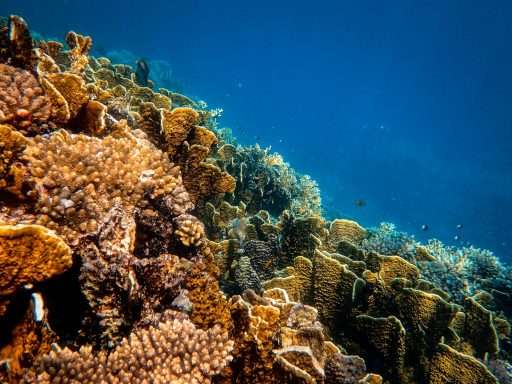
One of the most well-known consequences of climate change is coral bleaching. When water temperatures rise too much, corals expel the algae that live within their tissues, losing their color and vital energy source. Bleaching doesn’t immediately kill coral, but it weakens them, making them more vulnerable to disease and death.
Ocean Acidification
As oceans absorb more carbon dioxide, their acidity increases, making it harder for corals to build the calcium carbonate structures that form reefs. Weaker skeletons mean corals are more susceptible to damage and less capable of recovering from other environmental stressors.
Severe Weather and Rising Sea Levels
Climate change is also driving more frequent and intense storms, which can cause physical damage to coral reefs. Rising sea levels further exacerbate the problem, putting additional stress on already struggling reef systems.
Though often overlooked, keeping track of high-volume methane emissions is crucial, as methane accelerates global warming and worsens oceanic conditions. Reducing such emissions is part of the broader effort to protect coral reefs from further damage.
The Consequences of Coral Bleaching
The effects of coral bleaching extend beyond marine ecosystems, significantly impacting human communities and livelihoods.
Ecological Collapse
Frequent mass bleaching events, like those seen in the Great Barrier Reef, lead to the breakdown of the entire reef ecosystem. When corals die, the complex web of life that relies on them starts to unravel. Fish populations decline, and other species lose their habitats, leading to a cascading effect throughout the ecosystem.
Human Impact
The loss of coral reefs also directly impacts humans. Many coastal communities depend on reef-related industries, such as tourism and fishing, for their economic stability. As reefs die, these industries suffer, threatening the livelihoods of millions of people around the globe.
The Future of Coral Reefs
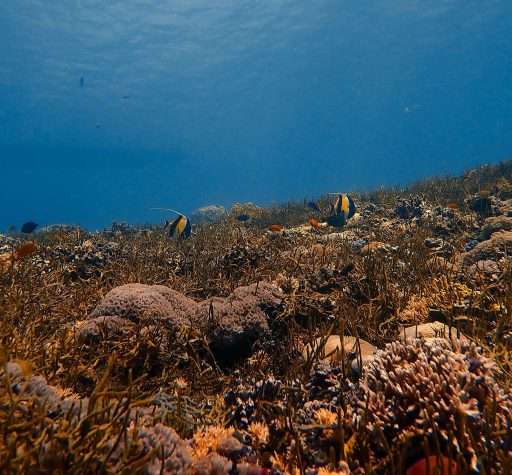
Without significant action, the future of coral reefs looks bleak. The Intergovernmental Panel on Climate Change (IPCC) warns that even if global warming is kept to 1.5°C, as much as 90% of coral reefs may disappear by 2050. This would be a devastating blow not only to marine life but to the millions of people who rely on reefs for food, income, and coastal protection.
While some coral species have shown resilience to warmer waters, these exceptions alone are not enough to offset the widespread damage being inflicted on reefs globally. Researchers are exploring methods like assisted evolution, which involves breeding more heat-resistant corals, but these efforts are still in their infancy and won’t be sufficient without broader climate action.
Solutions and Mitigation Efforts
Despite the grim outlook, there are strategies being implemented to protect and restore coral reefs.
Coral Restoration Projects
Coral conservation and restoration projects, where corals are grown in nurseries and then transplanted back into damaged reefs, offer a glimmer of hope. These projects are helping rebuild some reef systems, though they are resource-intensive and require significant time and effort.
Reducing Emissions
The most crucial step in protecting coral reefs is reducing greenhouse gas emissions, particularly CO2 and methane. By mitigating the effects of climate change, we can slow down the ocean warming and acidification that are destroying coral reefs. While international agreements like the Paris Accord aim to reduce emissions, more aggressive action is needed.
Marine Protected Areas
Marine Protected Areas (MPAs) help safeguard coral reefs by restricting harmful activities like overfishing and coastal development. MPAs give reefs the space and time to recover from human and environmental stressors, though they can’t fully protect against climate change.
Innovative Approaches
Technology is also being explored to help coral reefs adapt. Researchers are investigating ways to breed heat-tolerant corals and develop artificial reefs that could offer additional protection. These innovations are promising but require substantial investment and are not a replacement for global climate action.
Final Thoughts
Coral reefs face unprecedented challenges due to climate change, from rising sea temperatures and acidifying oceans to severe weather and rising sea levels. While reducing greenhouse gas emissions remains critical, coral restoration initiatives, Marine Protected Areas (MPAs), and technological innovations play a crucial role in safeguarding these ecosystems.
The future of coral reefs depends on immediate and substantial global efforts. Without these measures, we risk losing not only the biodiversity they support but also the critical services they provide to humanity. Time is running out, but with decisive action, we can still give coral reefs a fighting chance.
